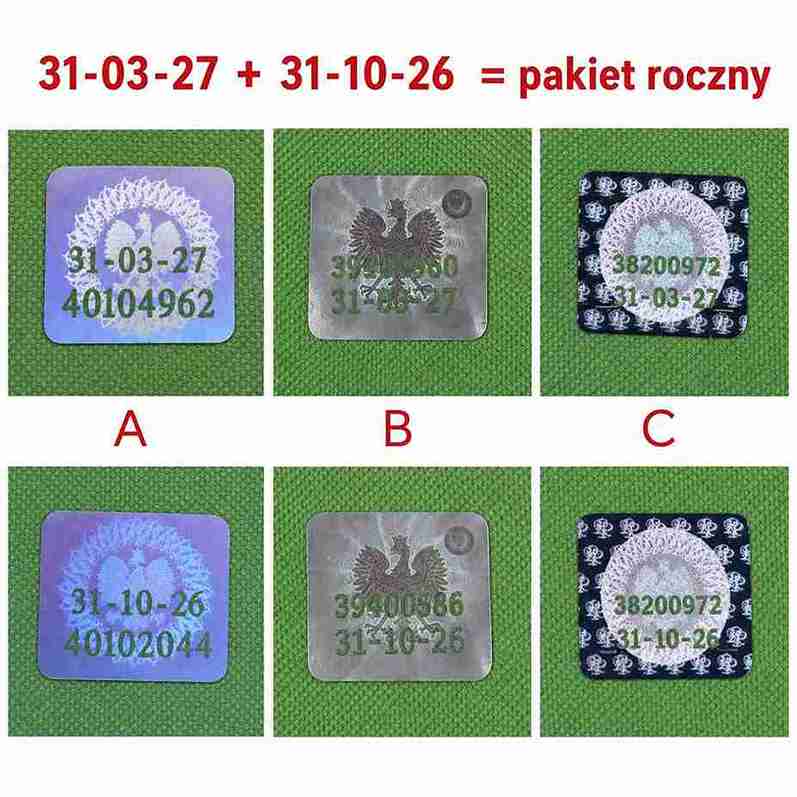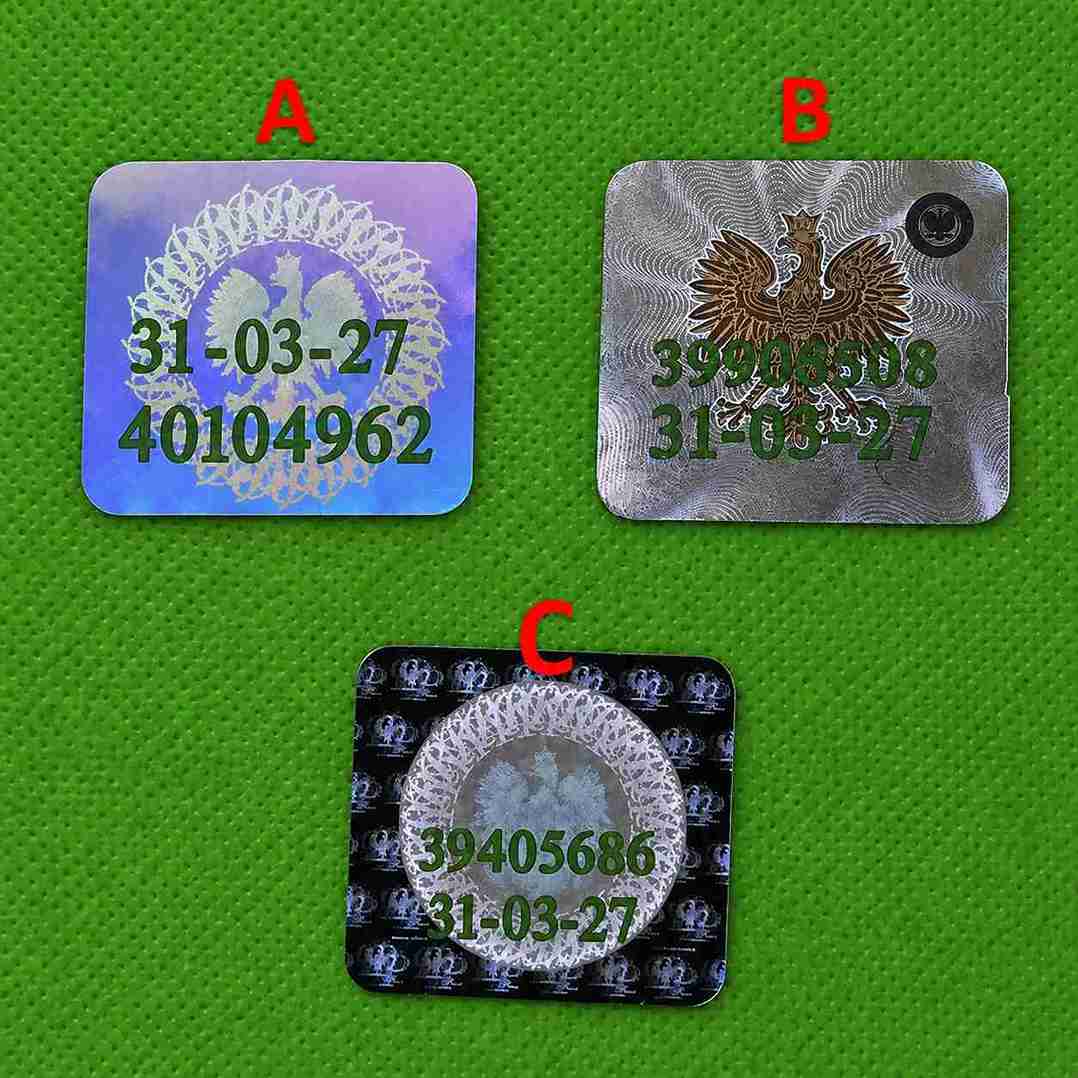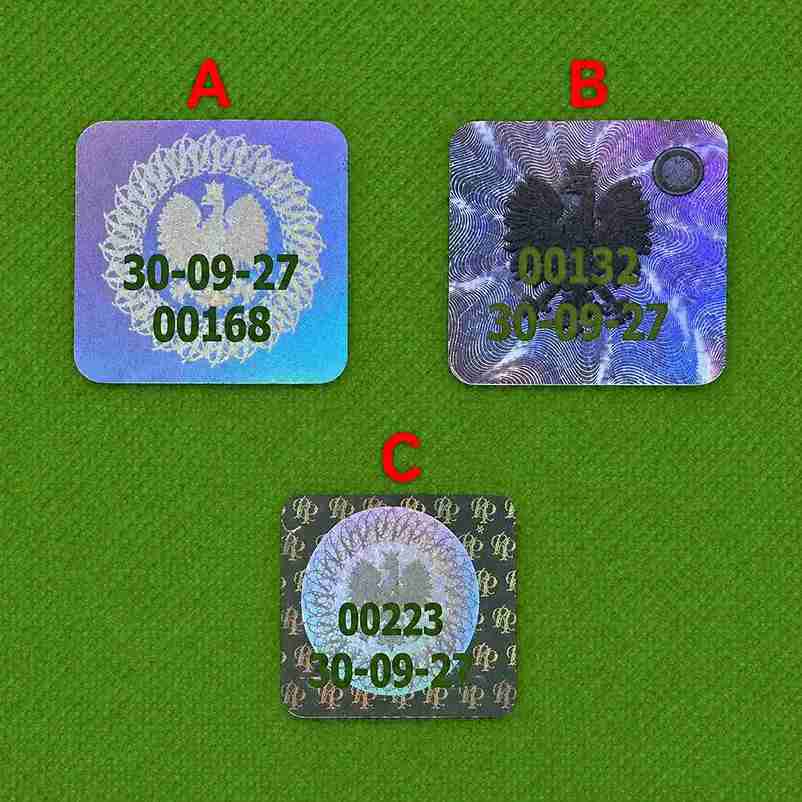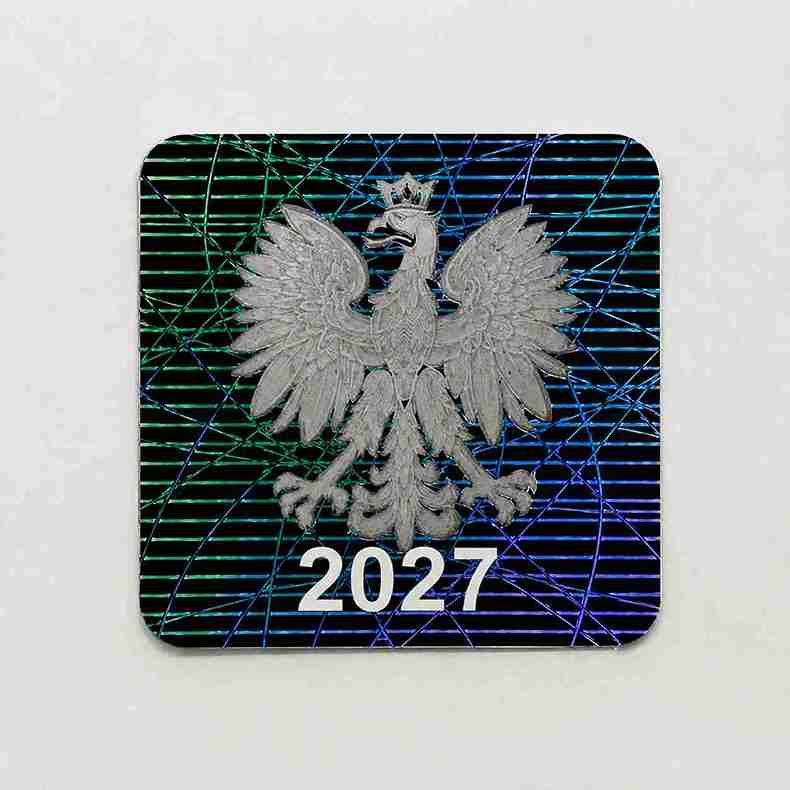
In the academic year 2026/2027, students can use the new electronic student ID card (ELS). The changes camezł into effect in May 2026, and as of July 13, universities are required to issue plastic cards compliant with the new requirements. Does this mean that the current student ID card must be replaced? Do the old holograms still have validity? We explain what exactly has changed, what documents apply to students, and when a new card is needed.
In short – the most important information:
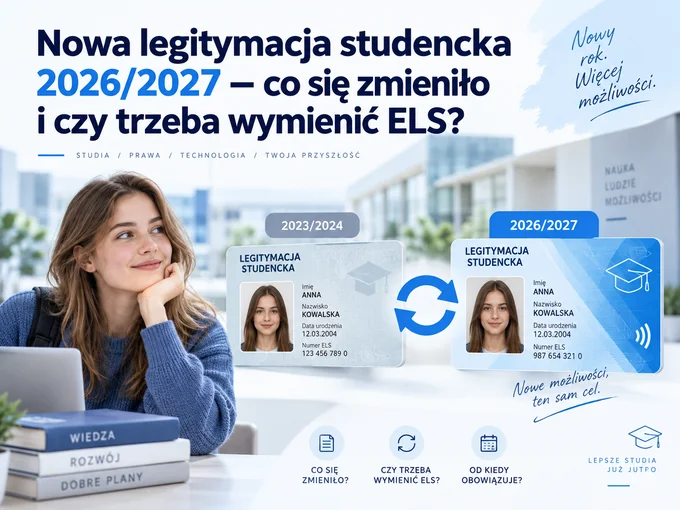
The new model of electronic student ID was introduced by the Decree of the Minister of Science and Higher Education of May 8, 2026. The regulations camezł into effect on May 14, but a transitional period was provided for universities that were still using the previous forms of ID.
From July 13, 2026, every newly issued ELS plastic identity card must be in compliance with the new design.
Why was the change decided upon? Primarily, it is a matter of adapting the ID card to the requirements regarding the safeguarding of public documents.
The new cards have:
However, the changes do not affect the document's primary purpose. The ID card continues to confirm the student's status and allows them to use the privileges granted to them.
For most students, the new format therefore does not mean any additional formalities.
No. The change in the ELS format in 2026 did not introduce the obligation to replace the current ID cards.
If you have a plastic card issued by the university previously, you can still use it. The condition is maintaining the student status and properly confirming the document’s validity.
For example, if you started your studies in October 2024 and received your ELS certificate at that time, you do not need to replace it just because a new model appeared in 2026.
The situation for those who received the card in the first half of 2026 is similar.
The regulations provide for the validity to remain valid:
Both groups of documents can still be used in accordance with the applicable rules.
A new card may be needed in situations that are not directly related to a change in the design.
This applies primarily to:
If it becomes necessary to issue a new physical card, the university will use the model in effect at the time of its issuance.
In recent years, two significant changes have been madezł regarding student IDs.
The first one took place in the 2025/2026 academic year, when the mLegitymacja became the primary form of documentation for students holding a PESEL number.
The second concerns the new plastic ELS format, which will be used for issuing cards from July 13, 2026.
Although both documents are used to confirm a student's status, they differ in the way they are issued and used.
|
Feature |
mLegitimacy |
Plastic ELS |
|
Form of the document |
Digital, on the phone |
Physical card with a chip |
|
Where is it available? |
The mObywatel application |
University |
|
Is it mandatory? |
Basic form for PESEL students |
Issued on request or to students without a PESEL |
|
Cost |
Free |
Usually 22 zł |
|
Verifying the validity |
Electronic certificate |
Chip and hologram update |
|
Do I need both documents? |
No |
No |
Both forms have the same legal effect in terms of confirming the student status.
What does this mean in practice?
First-year students starting their studies in October 2026 who have a PESEL number may only use the mLegitmacja.
However, if they prefer to also have a traditional card, they have the option to złapply for one.
Meanwhile, a student who has a plastic ELS from 2024 can still use it.Do not use it even if the document matches an earlier model.
The procedure depends on the university, but it is usually not complicated.
If you want to receive a physical ID card, you must report your need for it to the university system or the dean's office.
Usually the process involves the following steps:
Some universities may temporarily suspend the issuance of physical cards due to the need to obtain blankets that match the new design.
For example, the Agricultural University in Warsaw has informed that the delivery of new uniforms may only take place after October 14, 2026.
In this case, students can still use the ID card available in the mObywatel app.
The issuance of the digital eLegitimation is free of charge. The situation with the physical ELS card is different.
In the academic year 2026/2027, many Polish universities apply the following fees:
Type of document | Example fee |
First student ID | 0 zł |
Issue of plastic ELS | 22 zł |
Duplicate of the plastic ELS | 33 zł |
Such rates apply, among others, at the University of Warsaw and the Poznań University of Technology. Each university may have its own arrangements for charging fees, so it is worth checking the current price list before you get złmarried.
Importantly, you do not have to pay for a new ID card just because its design has changed. If your current ELS card remains valid, you can still use it.
Yes. The introduction of a new design of the ELS plastic identity card did not eliminate the obligation to confirm its validity by the university.
In the case of physical cards, the current method of extending the validity of the document is used, which includes:
These procedures are carried out by authorized university staff. The mere possession of a sticker with the current date does not suffice to confirm the validity of the ELS.
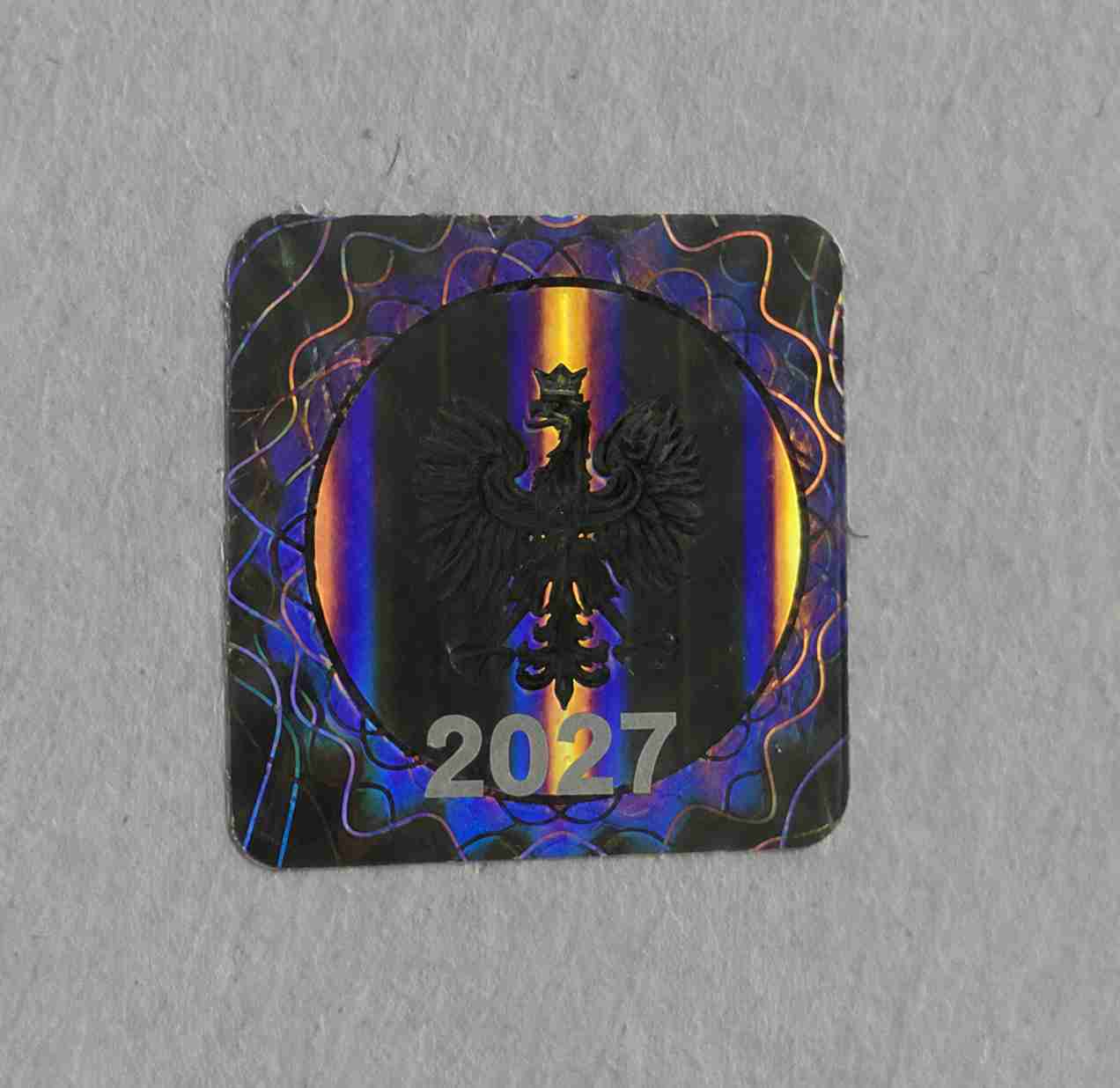
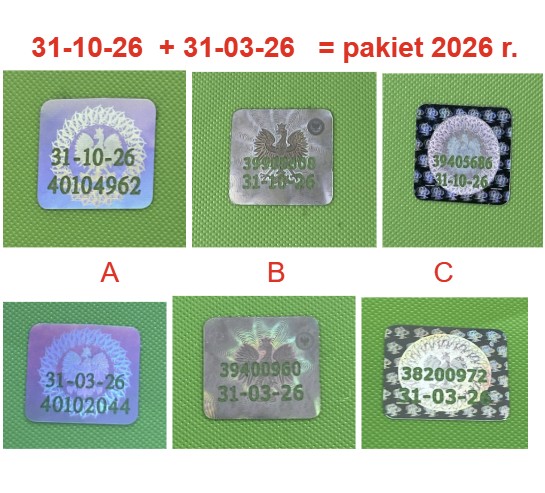
Holograms remain a characteristic element of physical identification documents, which is why subsequent editions and variations of designs are also of interest to collectors.
Among other things, they are available for sale: ELS student holograms in collectible versions, including the latest and archival editions.
It is worth remembering that collector's items are intended solely for hobbyist purposes. They do not replace holograms issued by universities and cannot be used to independently extend the validity of identity cards.
In the case of mLegitimation, the situation is simpler: its validity is confirmed electronically, so the student does not need a physical sticker.
Yes. Changing the physical design of the card does not affect the scope of the rights resulting from the student status.
An important identity document can still be used to enjoy the rights provided by law and to take advantage of the promotions offered by various institutions.
Most often, students use it during:
Attention to age restrictions. The statutory rail discount for students, amounting to 51%, is valid until the age of 26.
The rules in urban transport may be different; students benefit from discounts under separate regulations. In the case of certain discounts related to urban transport, exceeding 26 years of age does not automatically mean the loss of entitlement.
Therefore, it is always worth checking the rules applicable to a particular carrier.
The new ELS model does not change the rules regarding the expiration of a document after completing studies.
The most important difference concerns graduates of first- and second-degree studies.
Upon completion of the first-cycle studies The ID card remains valid until October 31st of the year of graduation.
For example, if you defend your bachelor's degree in June 2027, your credentials may remain valid until October 31, 2027, in accordance with the applicable regulations.
Upon completion of the second-cycle studies or the integrated master's studies The ID card generally loses its validity on the day of graduation.
The document also loses its validity in the event of the student being removed from the list or having their student rights suspended.
It should not be confused with the right to certain discounts. For example, railway operators apply additional conditions regarding the passenger’s age.
No. If you have a valid plastic ELS issued according to the previous model, you do not need to replace it due to changes in regulations. The document can still be used according to the current rules.
The regulation implementing the new design of the e-vignettezł will come into effect on May 14, 2026. The obligation to issue cards according to the new design will apply to the identification documents issued from July 13, 2026.
Yes. The old ELS certificate remains valid if the student still has the appropriate status, and the document's validity has been properly confirmed by the university.
Yes. You can have both forms of the document. mLegitimation is the basic solution for students with PESEL, but it does not preclude using the physical ELS card.
At many universities, the fee for issuing a plastic ID card is 22 zł, and for a duplicate of it 33 zł. Some universities may cover the cost of the first document, so it is worth checking the current rules in effect at the specific institution.
The mere fact of introducing a new ELS format does not invalidate previously issued credentials or their properly confirmed validity. To use the plastic card in subsequent periods, you must follow the procedures for extending the validity period in effect at the university.
Yes. The mObywatel app’s ID is a standalone document. A student with an active and valid mObywatel ID does not need to show the plastic ELS card again to confirm their student status.
Not always. It depends, among other things, on whether you continue your studies at the same university or start studying at another institution. The possibility of continuing to use your current ELS account is determined by the applicable regulations and university procedures.
If you have any questions about our products or need help choosing the right solution, please contact us. We are at your disposal by phone, email, and via the contact form.

The Hologramykolekcjonerskie24.com editorial team has been specializing in the topic for over 10 years. collectible holograms and patterns related to educational documents. We are preparing practical guides on ELS student holograms, doctoral ELDs and school-based ones, and their dates, variants, safeguards, and histories.
The published content is based on reliable sources regarding the Polish education system, applicable legal regulations, regulations of the relevant ministries, and official information provided by universities, schools, and public institutions. We regularly update the materials to reflect changes in regulations, document templates, and policies applicable in Polish education.
The website is informational and collector-oriented and is not affiliated with any university, school, ministry, or other public institution.