
To successfully complete their studies, students must pass all the exams provided in the study program. There is a special period designated for this at higher education institutions – a semester. During the course of one academic year, there are four exam sessions: the winter session (January-February), the winter revision session (March), the summer session (June), and the summer revision session (September). Those who fail to pass the exams in the winter or summer sessions, or who were unable to attend them, are given a second chance in the form of revision sessions. On some subjects, zero sessions are also possible. The examiner sets the date before the session, that is during class, so that students who feel ready can take the exams earlier. This way they have less studying in the session.
The session is usually a period of free time so that students can register for exams at times that suit them. Exams in the session are either oral or written. The student must appear for the exam with a valid student ID. Written exams usually last 1.5 hours, and oral exams half an hour. The session usually lasts two weeks.
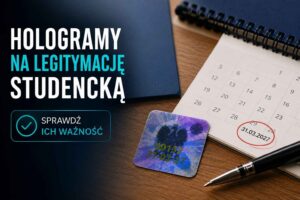
A student cannot take exams without a valid ID, because it is proof that the student has the right to study. Therefore, despite the free days during the session, students retain all the privileges derived from their student ID. After completing all exams during the session, students can devote themselves to their hobbies, such as collecting ELS holograms.
31.10.18 collectible hologram – new date now available, buy it now!
See also:
Hologamy ELS
ELD holograms
The Hologramykolekcjonerskie24.com editorial team has been specializing in the topic for over 10 years. collectible holograms and patterns related to educational documents. We are preparing practical guides on ELS student holograms, doctoral ELDs and school-based ones, and their dates, variants, safeguards, and histories.
The published content is based on reliable sources regarding the Polish education system, applicable legal regulations, regulations of the relevant ministries, and official information provided by universities, schools, and public institutions. We regularly update the materials to reflect changes in regulations, document templates, and policies applicable in Polish education.
The website is informational and collector-oriented and is not affiliated with any university, school, ministry, or other public institution.